Greater Noida
08048034348
+919311448933
MVRE MEE by SANSKRITI

ZLD PLANT

Phone Number

08048034348

Please keep 0 before dialling the number.

Email Address info@sanskritienviro.com

Mon-Thu: 10 AM - 2 PM • Fri: 3 PM - 7AM

Address Greater Noida,india,201310

Greater Noida, india, 201310

Description

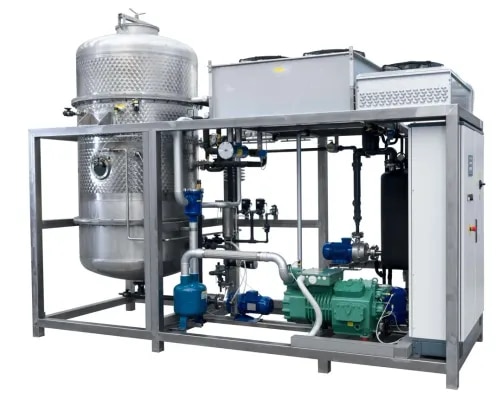
Multi Effect Evaporator (MEE) Plants Multi Effect Evaporator (MEE) Plants are advanced wastewater treatment systems used to concentrate high TDS and high COD industrial effluents by evaporating water through multiple stages (effects). At Sanskriti Enviro, we design and deliver efficient MEE solutions that help industries achieve maximum water recovery while minimizing waste and operational costs. Our MEE Plants are ideal for industries aiming for Zero Liquid Discharge (ZLD) and sustainable wastewater management. What is a Multi Effect Evaporator? A Multi Effect Evaporator is a thermal evaporation system where wastewater is heated and evaporated in multiple stages using the vapor generated from the previous effect as a heating medium. This process significantly reduces steam consumption and improves energy efficiency compared to single-effect evaporators. MEE systems are widely used to treat high-salinity, toxic, and non-biodegradable effluents that cannot be treated effectively by conventional ETP or STP systems. Our MEE Plant Solutions Sanskriti Enviro offers customized MEE systems designed to suit specific effluent characteristics and plant capacities, including: Forced Circulation & Falling Film MEE Systems Three to Seven Effect Evaporator Plants Integrated MEE with ATFD / Crystallizer Systems ZLD-based Evaporation Solutions Automated & PLC-Controlled MEE Plants Each system is engineered to deliver high evaporation rates with optimum energy utilization. Contact us Full Name Enter Your Full Name Phone Number Enter Your Phone Number Email Address Enter Your Email Address Message Message MEE Treatment Process The Multi Effect Evaporator treatment process generally includes: 1. Feed Pre-Treatment Pre-treated effluent from ETP/RO is fed into the MEE system to prevent scaling and fouling. 2. Multiple Evaporation Effects Effluent passes through multiple effects where water is evaporated using low-pressure steam and recovered vapors. 3. Condensate Recovery The evaporated vapor is condensed to produce high-quality reusable water. 4. Concentrate / Reject Handling Concentrated effluent is further treated using ATFD or crystallizers for solid waste disposal. Key Features of Our MEE Plants High energy efficiency with reduced steam consumption Suitable for high TDS & high COD effluent streams Robust design with corrosion-resistant materials Low maintenance and long operational life High recovery of reusable water Easy integration with existing ETP, STP, and RO systems Applications Our Multi Effect Evaporator Plants are suitable for: Pharmaceutical & Chemical Industries Textile & Dyeing Units Pesticide & Specialty Chemical Plants Distilleries & Bulk Drug Units Food Processing Industries ZLD Compliance Projects Benefits of MEE Installation Significant reduction in wastewater volume Maximum recovery of clean condensate water Essential component for Zero Liquid Discharge systems Reduced environmental impact Compliance with environmental regulations Why Choose Sanskriti Enviro? Proven expertise in evaporation and ZLD systems Customized design based on effluent analysis Turnkey execution from design to commissioning Energy-efficient and cost-effective solutions Strong after-sales service and AMC support Regulatory Compliance Our MEE Plants are designed to meet CPCB, SPCB, and other statutory environmental norms, supporting industries in achieving ZLD and regulatory compliance. Contact Us Looking for a reliable and energy-efficient Multi Effect Evaporator (MEE) Plant? Contact Sanskriti Enviro today for a customized MEE solution that ensures compliance, sustainability, and operational excellence.
Other Products

view all

6814772a5d263414004dd4a4 Card 2

product image
MVRE MEE

Multi Effect Evaporator (MEE) Plants Multi Effect Evaporator (MEE) Plants are advanced wastewater treatment systems used to concentrate high TDS and high COD industrial effluents by evaporating water through multiple stages (effects). At Sanskriti Enviro, we design and deliver efficient MEE solutions that help industries achieve maximum water recovery while minimizing waste and operational costs. Our MEE Plants are ideal for industries aiming for Zero Liquid Discharge (ZLD) and sustainable wastewater management. What is a Multi Effect Evaporator? A Multi Effect Evaporator is a thermal evaporation system where wastewater is heated and evaporated in multiple stages using the vapor generated from the previous effect as a heating medium. This process significantly reduces steam consumption and improves energy efficiency compared to single-effect evaporators. MEE systems are widely used to treat high-salinity, toxic, and non-biodegradable effluents that cannot be treated effectively by conventional ETP or STP systems. Our MEE Plant Solutions Sanskriti Enviro offers customized MEE systems designed to suit specific effluent characteristics and plant capacities, including: Forced Circulation & Falling Film MEE Systems Three to Seven Effect Evaporator Plants Integrated MEE with ATFD / Crystallizer Systems ZLD-based Evaporation Solutions Automated & PLC-Controlled MEE Plants Each system is engineered to deliver high evaporation rates with optimum energy utilization. Contact us Full Name Enter Your Full Name Phone Number Enter Your Phone Number Email Address Enter Your Email Address Message Message MEE Treatment Process The Multi Effect Evaporator treatment process generally includes: 1. Feed Pre-Treatment Pre-treated effluent from ETP/RO is fed into the MEE system to prevent scaling and fouling. 2. Multiple Evaporation Effects Effluent passes through multiple effects where water is evaporated using low-pressure steam and recovered vapors. 3. Condensate Recovery The evaporated vapor is condensed to produce high-quality reusable water. 4. Concentrate / Reject Handling Concentrated effluent is further treated using ATFD or crystallizers for solid waste disposal. Key Features of Our MEE Plants High energy efficiency with reduced steam consumption Suitable for high TDS & high COD effluent streams Robust design with corrosion-resistant materials Low maintenance and long operational life High recovery of reusable water Easy integration with existing ETP, STP, and RO systems Applications Our Multi Effect Evaporator Plants are suitable for: Pharmaceutical & Chemical Industries Textile & Dyeing Units Pesticide & Specialty Chemical Plants Distilleries & Bulk Drug Units Food Processing Industries ZLD Compliance Projects Benefits of MEE Installation Significant reduction in wastewater volume Maximum recovery of clean condensate water Essential component for Zero Liquid Discharge systems Reduced environmental impact Compliance with environmental regulations Why Choose Sanskriti Enviro? Proven expertise in evaporation and ZLD systems Customized design based on effluent analysis Turnkey execution from design to commissioning Energy-efficient and cost-effective solutions Strong after-sales service and AMC support Regulatory Compliance Our MEE Plants are designed to meet CPCB, SPCB, and other statutory environmental norms, supporting industries in achieving ZLD and regulatory compliance. Contact Us Looking for a reliable and energy-efficient Multi Effect Evaporator (MEE) Plant? Contact Sanskriti Enviro today for a customized MEE solution that ensures compliance, sustainability, and operational excellence.

6814772a5d263414004dd4a4 Card 2

product image
MBBR, MBR, SBR, ASP

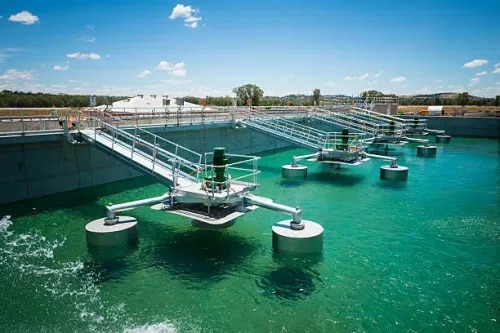
Sewage Treatment Plants (STP) and Their Technologies A Sewage Treatment Plant (STP) is a treatment system designed to treat domestic wastewater generated from toilets, bathrooms, kitchens, residential townships, hotels, hospitals, commercial buildings and industries. The purpose is to remove suspended solids, organic pollutants, nutrients and pathogens so that treated water can be reused or discharged as per applicable pollution-control requirements. 1. Major STP technologies 1. ASP – Activated Sludge Process Conventional technology Uses biological treatment in an aeration tank followed by secondary clarification. Microorganisms consume dissolved and biodegradable organic matter. Main units: Screening, grit removal, equalization, aeration tank, secondary clarifier, sludge handling and disinfection. Suitable for: Residential townships, hotels, commercial buildings and large sewage flows. 2. MBBR – Moving Bed Biofilm Reactor Compact and robust Uses floating plastic carrier media on which microorganisms grow as a biofilm. Aeration and mixing keep the media moving. Main units: Screening, equalization, MBBR tank, media retention screens, secondary clarifier, filtration and disinfection. Suitable for: Apartments, hotels, hospitals, retrofit projects and space-constrained STPs. 3. MBR – Membrane Bioreactor High-quality treated water Combines biological treatment with membrane filtration. Membranes separate suspended solids and biomass from the treated water. Main units: Screening, equalization, biological reactor, membrane tank, permeate pumps, membrane cleaning system and disinfection where required. Suitable for: Premium residential projects, high-rise buildings, hotels and applications requiring high-quality reuse water. Key advantage: Small footprint and very low suspended solids in membrane permeate. 4. SBR – Sequencing Batch Reactor Treats sewage in batches inside a reactor, using timed cycles for filling, aeration, settling and decanting. Main units: Screening, equalization, SBR reactor, decanter, sludge handling and disinfection. Suitable for: Residential townships, institutions, hotels and developments with variable wastewater flows. Key advantage: Biological treatment and settling occur in the same reactor, reducing the need for a separate secondary clarifier. 5. Extended Aeration Process A variation of the activated sludge process that uses longer aeration time and generally lower organic loading. Suitable for: Small to medium residential complexes, schools, offices and institutions. Key advantage: Relatively simple operation and generally lower sludge production than conventional high-rate activated sludge systems, depending on operating conditions. 6. Anaerobic Treatment – UASB / ABR** Uses microorganisms that break down organic matter without oxygen. UASB means Upflow Anaerobic Sludge Blanket; ABR means Anaerobic Baffled Reactor. Suitable for: Certain large municipal sewage systems, warm-climate applications and projects where energy-efficient bulk organic removal is important. Important: Anaerobic treatment alone often does not achieve the final quality required for reuse or stringent discharge. Post-treatment is usually needed.

6814772a5d263414004dd4a4 Card 2

product image
Effluent Treatment Plant

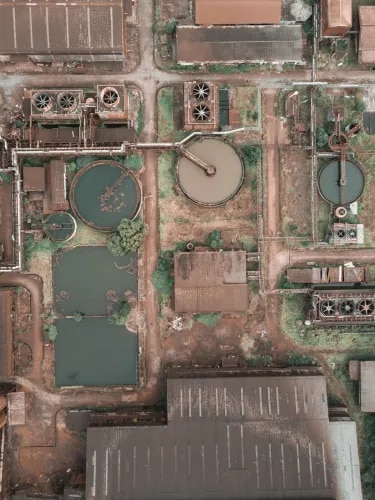
Industry-wise ETP Industry Major Effluent Characteristics Typical Treatment Pharmaceutical High COD/BOD, solvents, antibiotics, API residues, TDS, toxic compounds Equalization → pH correction → DAF/clarifier → biological treatment → AOP → UF/RO → MEE/ATFD if ZLD Textile High colour, COD, BOD, TDS, salts, dyes, suspended solids Equalization → coagulation/flocculation → DAF/clarifier → biological → ozone/AOP → UF/RO Automobile Oil & grease, heavy metals, phosphate, paint, TSS, chemicals Oil separator → pH correction → chemical precipitation → clarifier → pressure filtration → UF/RO Food & Beverage Very high BOD/COD, organic matter, TSS, oil & grease Screening → equalization → DAF → anaerobic/aerobic biological treatment → clarification → tertiary filtration Steel/Metal Acids, alkalis, Fe, Cr, Zn, Ni, heavy metals, high TDS Neutralization → oxidation/reduction → heavy-metal precipitation → clarifier → filter press → MMF/UF/RO Chemical Industry High COD, variable pH, toxic chemicals, high TDS Equalization → neutralization → chemical treatment → biological/AOP → RO → ZLD Electroplating Cr⁶⁺, Ni, Cu, Zn, acids, alkalis, cyanide in some cases Segregation → Cr⁶⁺ reduction → heavy-metal precipitation → clarification → filtration → RO Paper & Pulp High COD/BOD, TSS, colour, lignin Primary clarification/DAF → biological → tertiary treatment → filtration Distillery Extremely high COD/BOD, dark colour, high TDS Anaerobic treatment → aerobic treatment → RO/MEE/ATFD/ZLD Dairy High BOD/COD, fats, proteins, TSS Screening → equalization → DAF → biological treatment → clarification → tertiary treatment Cement/Construction TSS, turbidity, high pH Settling → pH correction → filtration/recycle Pharma/API Very high COD/TDS, difficult-to-biodegrade organics Equalization → chemical treatment → MBBR/ASP → AOP → UF → RO → MEE/ATFD